Fire Prevention Week and the surrounding month in October aren’t just for homeowners. Business owners have their own set of fire risks to manage, from commercial kitchens to storage rooms full of inventory, and the financial impact of a fire can be significant if a business isn’t prepared.
Common Fire Hazards in the Workplace
Fire risks look different depending on the type of business, but a few hazards show up across many industries:
- Electrical issues, such as overloaded circuits, damaged wiring, or outdated equipment.
- Commercial kitchen equipment, including fryers, grills, and ovens.
- Improperly stored flammable materials, chemicals, or cleaning supplies.
- Overloaded storage areas that block sprinklers or exits.
- Heating equipment in warehouses, workshops, or seasonal spaces.
Regular equipment maintenance and employee awareness can meaningfully reduce these risks.
Fire Prevention Steps for Businesses
Many of the same fundamentals that apply at home apply at work, just at a larger scale:
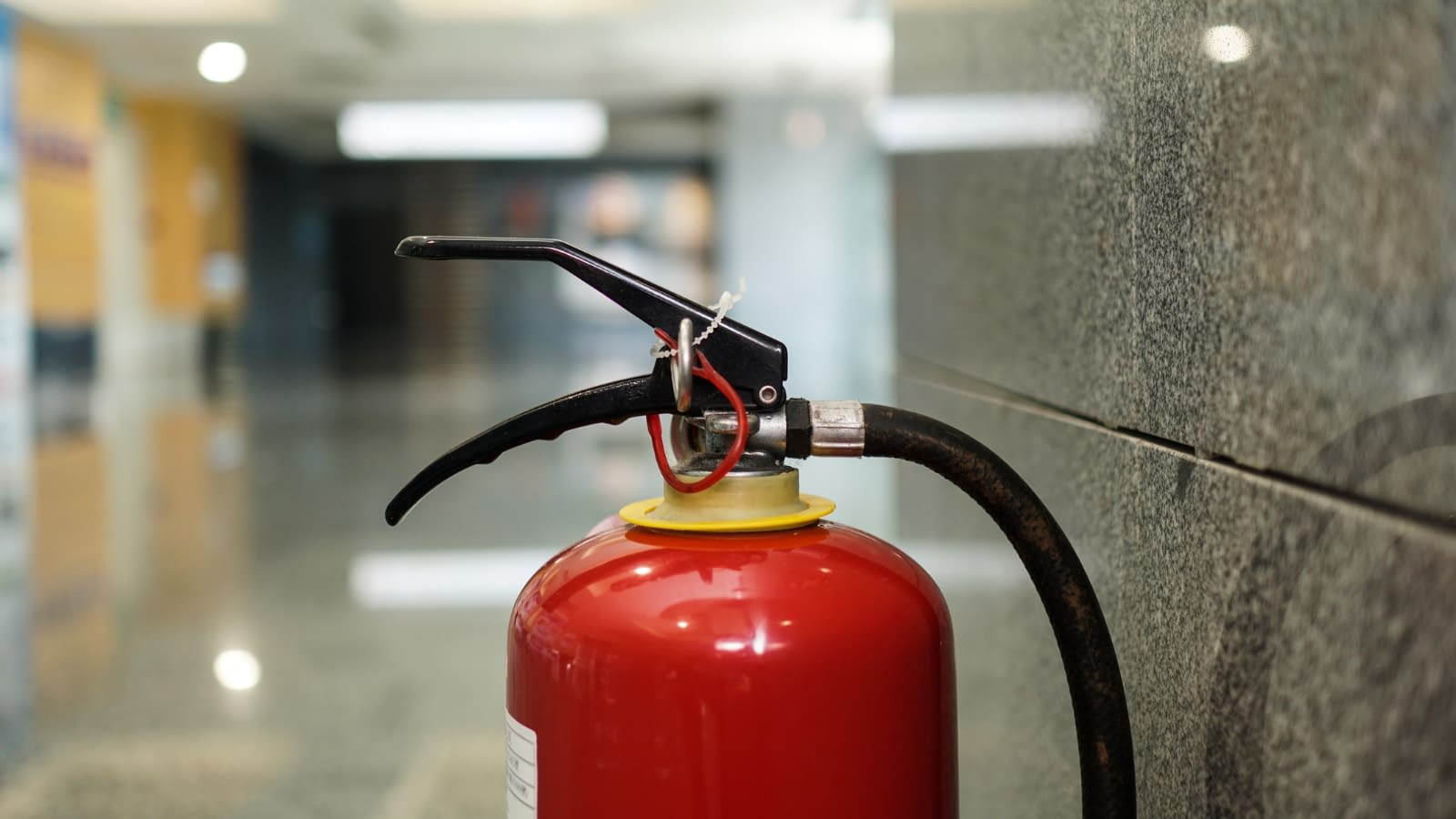
- Test and maintain fire alarms, sprinkler systems, and extinguishers on a regular schedule.
- Keep exits, stairwells, and fire lanes clear at all times.
- Train employees on evacuation routes and assembly points.
- Store flammable materials according to manufacturer and fire code guidance.
- Schedule periodic inspections with your local fire department or a licensed inspector.
Documenting these efforts can also be useful if you ever need to demonstrate due diligence to an insurer.
Industry-Specific Considerations
Fire risks can look quite different depending on your industry. Restaurants and food service businesses often deal with grease fires and require specialized suppression systems above cooking equipment. Manufacturing and warehouse operations may face risks tied to combustible dust, chemical storage, or large amounts of packaging materials. Offices, by contrast, tend to have lower fire risk but still benefit from basic precautions like properly maintained electrical systems and clear evacuation routes. Understanding the specific risks tied to your industry can help you prioritize the right prevention steps.
How Business Insurance May Respond to Fire Damage
A commercial property insurance policy is generally designed to help with property loss from a covered fire, though specifics depend on your policy. Coverage may include:
- Building coverage, which can help repair or rebuild a damaged structure, if you own the building.
- Business personal property coverage, which may help replace equipment, inventory, or furniture.
- Business income coverage, which can help replace lost income and cover certain ongoing expenses if a fire forces a temporary shutdown.
- Extra expense coverage, which may help with costs of operating from a temporary location.
Because every business has a different risk profile, from a single storefront to multiple locations, it’s worth reviewing coverage limits against the current value of your property, equipment, and inventory rather than relying on older estimates.
Working With Your Local Fire Department
Many local fire departments offer free or low-cost inspections and can point out hazards that may not be obvious to someone without fire safety training. Building a relationship with your local fire marshal’s office, and addressing any recommendations they provide, can be a practical complement to your own internal prevention efforts.
Building Fire Prevention Into Your Broader Safety Program
Many businesses already maintain a broader workplace safety program covering topics like injury prevention or emergency preparedness. Folding fire prevention into that same program, rather than treating it as a separate, once-a-year task, can help make sure fire safety stays part of routine training and inspections throughout the year.
Make Fire Prevention Month a Recurring Checkpoint
Treating October as an annual prompt to review fire safety procedures and insurance coverage together can help make sure both are keeping pace with how your business has grown or changed over the past year.
The Schultz Group of NY, Inc can help you review your commercial property coverage and talk through how it may respond to a fire loss. Contact us at (585) 424-1780 or request a quote online.